

Bed Bug Control
(warranty applies to most homes)
The bugs that go 'bite' in the night
What do you know about bed bugs? Probably, like most people, not very much. You may have heard about them frequently on the nightly news, with headlines about a centuries-old pest making its comeback into the beds of Americans. If you have a case of bed bugs, then someone is certainly enjoying your night’s sleep – but it probably isn’t you!
Live Bed Bug Free - Our Heat Treatments Work!
We use specially designed equipment to raise the temperature to kill Bed Bugs and Bed Bug eggs. We do this by placing specially designed thermostats around the affected area to make sure the temperature stays between 135° and 145°. Depending on the size and condition of the area treated and the number of rooms that must be treated, this process usually takes between six to eight hours.
Before the heat treat process commences, we apply a pet-friendly insecticide on the baseboards throughout the infected rooms. This application creates a chemical barrier and ensures the Bed Bugs cannot escape during the heat treatment process.
There is some prep work prior to heat treating and insecticide application but our trained Bed Bug Specialists will guide you through every step of the way, so you can get back to your daily routine as quick as possible and get rid of Bed Bugs for good!
Don't Live with Bed Bugs Any Longer
Contact Us Today!
Identifying Bed Bugs
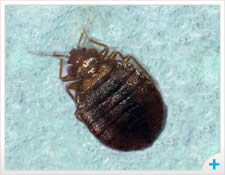
Measuring in at 1/5th of an inch, these pests are flat, oval-shaped, and rusty brown in color. Some say they are comparable to apple seeds in size and appearance. Once engorged with blood, however, bed bugs can swell up to 3 times their usual size, and change in color to a dark red, making them appear to be a different bug all together.
The Cimicidae family is made up of a number of unappealing parasites, such as the bat bug, chimney swift bug, and the swallow bug. The bed bug, however, is the most common invader of human homes and beds. These blood-suckers are not very picky about the source of their food (many can be found on birds, bats, and mice), but they all prefer human hosts if given the option.
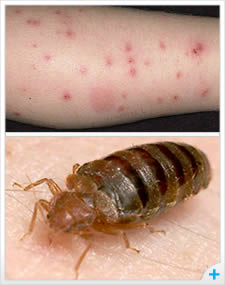
Bed bugs are usually carried into the home via clothing, luggage, furniture, and bedding. They often hide in cracks, electrical outlets, baseboards, behind wallpaper and picture frames, and – of course – in mattresses and bedding materials. Bed Bug bites result in small, red, itchy sores, which can become swollen or even infected from scratching.
Bed Bug Life Cycle
A mature, female bed bug can lay between 1 – 5 eggs daily, totaling over 200 eggs in her lifetime. The incubation period for the eggs is around 10 days, depending on the temperature (longer if cool). Once hatched, baby bed bugs will immediately seek a blood host, requiring 5 blood feedings in order to reach their full adult size.